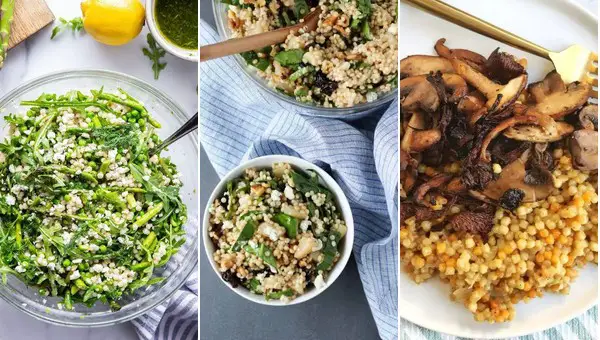
In our fast-paced world, finding time for wholesome, delicious meals often feels like a luxury. We yearn for dishes that are not only nourishing but also simple to prepare and, ideally, improve with a little time. Enter the couscous salad: a vibrant, versatile, and incredibly satisfying dish that perfectly embodies the trifecta of healthy eating, convenience, and refreshing flavor. Whether you're a seasoned meal prepper or just starting your journey to healthier habits, this ultimate guide will unlock the secrets to crafting the perfect couscous salad, transforming your weekly meal routine with its endless possibilities.
The Enduring Allure of Couscous Salad for Modern Lifestyles
The appeal of a well-made couscous salad goes far beyond its vibrant appearance. It's a culinary chameleon, capable of adapting to almost any palate, dietary need, or occasion. For those leading busy lives, its quick preparation time and unparalleled meal-prep capabilities make it a true kitchen hero. Unlike lettuce-based salads that can wilt and become soggy, couscous salads actually thrive as their ingredients meld and flavors deepen over time, offering a consistently delicious experience days after preparation. This characteristic alone elevates it to staple status for anyone seeking to maintain a nutritious diet without the daily grind of cooking from scratch.
The Turkish Secret: Kuskus Salatası’s Unique Freshness
While couscous traces its origins to North Africa, its journey across the Mediterranean has seen it evolve into distinct regional specialties. One of the most refreshing and lesser-known adaptations is the Turkish Kuskus salatası. Unlike its North African counterparts, which often feature steamed couscous as a base for rich stews, the Turkish rendition celebrates couscous in a light, herbaceous, and utterly fresh salad form. Typically brimming with a delightful mix of corn, fresh parsley, dill, juicy tomatoes, and crisp cucumbers, all brought together with a bright olive oil and lemon juice dressing, it epitomizes Mediterranean summer on a plate. This unique preparation highlights Turkey's ingenious way of transforming a staple grain into a vibrant side or main course, showcasing local ingredients and a distinct culinary philosophy. For a deeper dive into its fascinating heritage, explore Kuskus Salatası: Unpacking the History of Turkish Couscous Salad, and discover exactly Why Turkish Couscous Salad is a Mediterranean Delight.
Crafting Your Perfect Couscous Salad: Ingredients & Variations
The beauty of a couscous salad lies in its infinite adaptability. Once you master the basic technique, your kitchen becomes a playground for flavor combinations limited only by your imagination and the contents of your fridge. It's a fantastic way to utilize seasonal produce and prevent food waste.
Essential Building Blocks for a Vibrant Couscous Salad
- The Couscous Base: The foundation of your salad.
- Traditional Couscous: Small, quick-cooking semolina granules, ideal for absorbing dressings and flavors.
- Pearl Couscous (Israeli Couscous): Larger, spherical pasta-like grains with a chewier texture. These hold up exceptionally well and add a satisfying bite.
- Fresh Vegetables: These provide crunch, color, and vital nutrients. Think diced tomatoes, cucumbers, bell peppers (any color), red onion for a pungent kick, and sweet corn. Don't shy away from roasted vegetables like zucchini or eggplant for added depth.
- Fresh Herbs: The soul of a refreshing couscous salad. Generous amounts of parsley and dill are classic in Turkish variations. Mint adds a cooling sensation, while cilantro can lend an intriguing, global twist.
- Protein & Fiber Boosters: To transform your salad into a complete meal. Chickpeas or black beans offer excellent plant-based protein and fiber. Crumbled feta cheese provides a salty, tangy counterpoint. For non-vegetarian options, shredded grilled chicken, flaked salmon, or even hard-boiled eggs integrate beautifully.
- Healthy Fats & Acidity: The dressing is crucial. Extra virgin olive oil provides heart-healthy fats, while fresh lemon juice or a good quality vinegar (like red wine vinegar) adds essential brightness and tang.
- Optional Enhancers: Elevate your salad with additions like briny Kalamata olives, spicy pepperoncini, toasted nuts or seeds (almonds, pine nuts, sunflower seeds), or a touch of sweetness and tang from pomegranate seeds or molasses. Spices like cumin and paprika can also add an aromatic complexity.
Flavor Profiles: From Mediterranean Zest to Spicy Kick
By simply swapping a few ingredients, you can transport your couscous salad to different culinary landscapes:
- Classic Mediterranean: Combine pearl couscous with feta, Kalamata olives, sun-dried tomatoes, cucumber, bell peppers, and a red wine vinaigrette seasoned with oregano.
- Turkish-Inspired: Stick to the traditional Kuskus salatası profile: fine couscous, corn, generous fresh parsley and dill, tomatoes, cucumber, and a bright lemon-olive oil dressing. A hint of pomegranate molasses can add a delicious tangy depth.
- Spicy Southwest: Mix couscous with black beans, corn, diced avocado, red onion, cilantro, and a dressing featuring lime juice, olive oil, and a touch of chili powder or cayenne.
- Autumn Harvest: Pair couscous with roasted butternut squash, dried cranberries, toasted pecans, crumbled goat cheese, and a maple-Dijon vinaigrette.
The Art of Couscous Salad Meal Prep
The title isn't an exaggeration: couscous salad truly is the ultimate meal prep champion. Its unique characteristics make it perfect for preparing in advance, ensuring you have delicious, healthy meals ready throughout the week.
Why Couscous Salad Excels in Meal Prep
- No Soggy Lettuce Syndrome: Unlike delicate greens that wilt under dressing, couscous acts like a sponge, absorbing the flavors and moisture of your dressing and ingredients, making it more delicious over time.
- Flavor Development: The ingredients in a couscous salad get to know each other. As they marinate, the flavors meld and deepen, resulting in a more complex and satisfying taste experience after a day or two in the fridge.
- Nutrient Retention: Most of the ingredients used are robust vegetables and grains that hold their structure and nutritional value well when stored properly.
- Portability: Couscous salads are naturally sturdy, making them easy to pack into airtight containers for lunch at work, school, or picnics.
Practical Meal Prep Tips for Longevity and Taste
- Cook Couscous Al Dente: Avoid overcooking your couscous. A slightly firm texture prevents it from becoming mushy once it absorbs the dressing. Follow package directions, but err on the side of slightly undercooking if in doubt.
- Chop Uniformly: Aim for consistent, bite-sized pieces for all your vegetables. This ensures an even distribution of flavor in every spoonful and a pleasant mouthfeel.
- Dress Strategically: For best results, allow the dressed salad to sit for at least 30 minutes before serving to let the flavors meld. If prepping for several days, you can either dress the entire salad, knowing it will improve, or keep a portion of the dressing separate to add just before serving for ultimate freshness, especially if using very delicate herbs or ingredients like avocado.
- Consider Layering: If using ingredients that might get soggy (like some very juicy tomatoes), you can layer them on top or keep them separate until just before eating. However, for most sturdy vegetables, tossing everything together works perfectly.
- Storage is Key: Always store your prepared couscous salad in airtight containers in the refrigerator. It typically stays fresh and delicious for 3-5 days.
- Pre-Portioning: Divide your large batch into individual serving containers for grab-and-go convenience throughout your week.
Beyond the Plate: Nutritional Benefits of Your Couscous Salad
Beyond its incredible taste and convenience, a well-balanced couscous salad is a powerhouse of nutrition, aligning perfectly with a healthy eating philosophy.
- Rich in Fiber: Couscous, especially whole wheat varieties, along with the abundant vegetables and legumes like chickpeas, provides significant dietary fiber. This aids in digestion, promotes satiety, and helps regulate blood sugar levels.
- Excellent Source of Plant-Based Protein: With the addition of chickpeas, black beans, or other legumes, your couscous salad becomes a fantastic source of plant-based protein, essential for muscle repair and overall body function. Feta cheese or lean meats can further boost the protein content.
- Packed with Vitamins and Minerals: The colorful array of fresh vegetables and herbs delivers a spectrum of essential vitamins (like Vitamin C, K, and folate) and minerals, supporting immune function, bone health, and energy production.
- Heart-Healthy Fats: The liberal use of extra virgin olive oil provides monounsaturated fats, known for their role in reducing bad cholesterol levels and promoting cardiovascular health.
- Complex Carbohydrates for Sustained Energy: Couscous offers complex carbohydrates, providing a steady release of energy without the sharp spikes and crashes associated with simple sugars.
- Hydration: High water content from fresh produce like cucumbers and tomatoes contributes to your daily hydration needs.
Embracing the couscous salad in your meal prep routine is more than just a culinary choice; it's a lifestyle upgrade. It's a commitment to eating well, saving time, and enjoying vibrant, flavorful food without compromise. From its refreshing Turkish roots to its endless modern variations, this humble grain salad offers a world of possibilities for delicious, healthy, and convenient eating. So, roll up your sleeves, chop those veggies, and prepare to fall in love with your new favorite meal prep solution.
