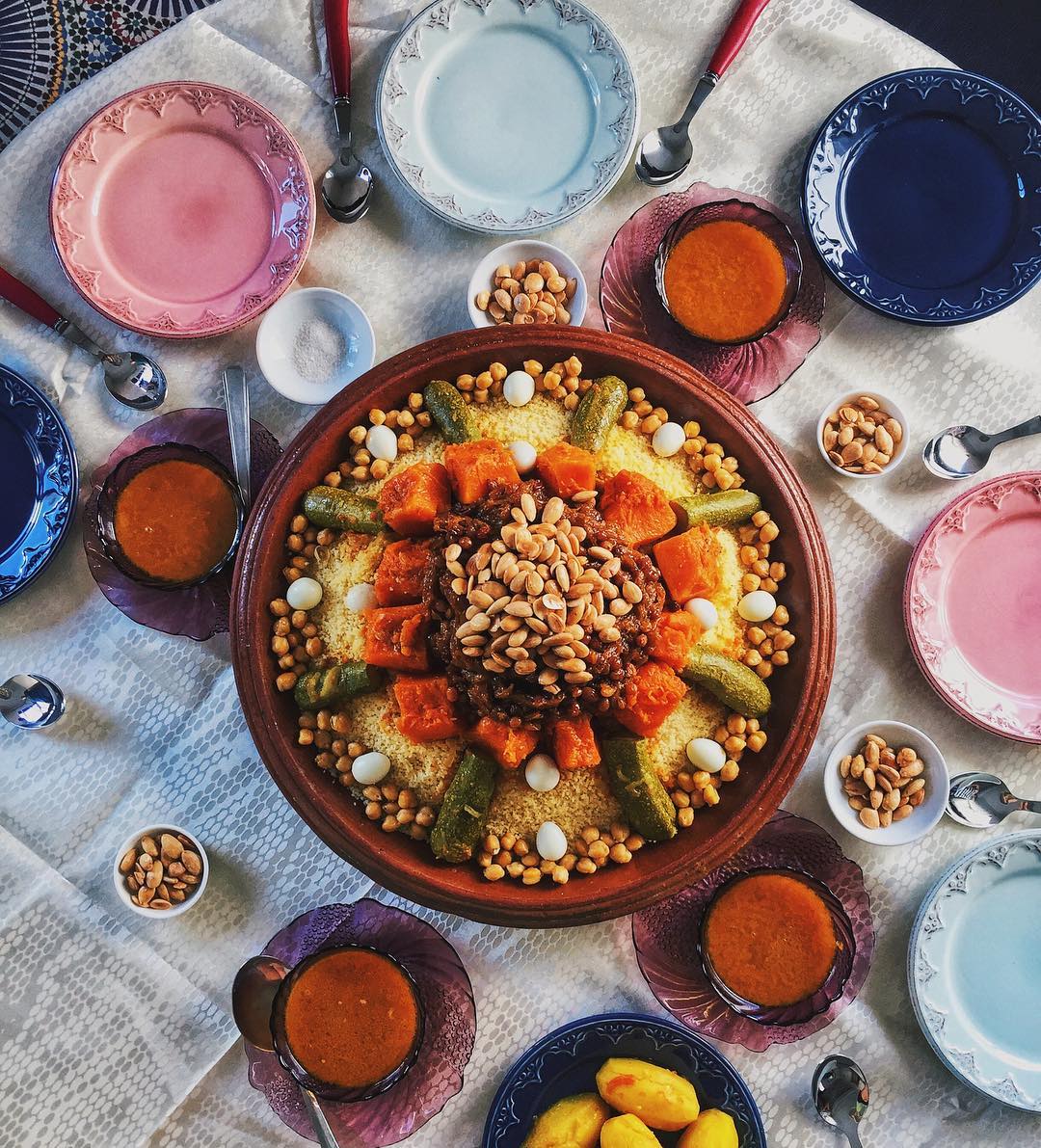
Kuskus Salatası: Unpacking the History of Turkish Couscous Salad
In the vibrant tapestry of Turkish cuisine, where rich stews meet delicate pastries and savory kebabs, a refreshing gem stands out: Kuskus Salatası. Known simply as Turkish couscous salad, this light and herb-infused dish is a testament to culinary adaptation, transforming a humble grain into a bright, versatile salad that perfectly embodies Mediterranean flavors. Far from its traditional North African roots as a steamed accompaniment to hearty stews, Kuskus Salatası offers a unique Turkish twist, presenting couscous as the star of a vibrant, fresh, and often vegetarian ensemble. Its journey from an ancient staple to a modern Turkish favorite is a captivating story, reflecting centuries of trade, cultural exchange, and culinary innovation.
The Ottoman Gateway: Couscous Arrives in Anatolia
The story of couscous in Turkey begins not in the modern kitchens of Istanbul, but in the bustling trade routes of the vast Ottoman Empire. Couscous, a staple made from tiny semolina granules, originated in North Africa centuries ago. Its introduction to Turkish cuisine was a direct result of the extensive commercial and cultural exchanges that characterized the Ottoman period, particularly as early as the 16th and 17th centuries.
As the Ottoman Empire expanded its influence and facilitated the exchange of goods, ingredients, and cooking techniques across diverse regions—from Central Asia to the Mediterranean and North Africa—couscous found its way into Anatolian kitchens. Initially, it was incorporated into Ottoman culinary traditions primarily as a type of pilaf, alongside familiar grains like rice and parched wheat (bulgur). This early integration reflected the empire's diverse palate, where new ingredients were absorbed and adapted into existing culinary frameworks. While North African couscous was often steamed and served with rich, long-simmered tagines, Ottoman cooks embraced it in a way that resonated with their own grain-centric pilaf culture.
Interestingly, traditional Turkish couscous itself often involves a distinct coating method, using semolina or similar grains to create its characteristic texture, a technique that likely laid the groundwork for future innovations in its preparation and use.
From Pilaf to Plate: The Evolution of Kuskus Salatası
The transformation of couscous from a pilaf ingredient into the refreshing couscous salad we know today, Kuskus Salatası, is a fascinating example of culinary evolution within Turkish home cooking. While the historical roots are firmly planted in the Ottoman era, the emergence of the salad form represents a much more modern adaptation, driven by the availability of local produce and a preference for lighter, herb-infused dishes.
This shift saw couscous move from being a simple grain base, often served hot with hearty dishes, to becoming the canvas for a vibrant, chilled, and vegetarian preparation. The abundance of Mediterranean vegetables and fresh herbs available in Turkey played a pivotal role in this transformation. Ingredients like crisp corn, fragrant fresh parsley, aromatic dill, juicy tomatoes, and cool cucumbers became integral to the dish. The dressing, a simple yet powerful blend of good quality olive oil and bright lemon juice, further elevated the dish, making it perfectly suited for summery meals and a delightful contrast to richer Turkish fare.
Kuskus Salatası highlights Turkey's genius in adapting external culinary staples to its own unique flavor profile. It incorporates local ingredients like the ubiquitous dill and lemon, infusing the salad with a characteristic brightness and tanginess that sets it apart. This innovative approach transformed couscous from a mere side dish into a versatile and celebrated main or accompaniment, beloved for its freshness and adaptability.
The Vibrant Flavors of Turkish Couscous Salad
What makes Kuskus Salatası truly distinctive are its harmonious blend of fresh ingredients and its refreshing flavor profile. At its core, the salad features perfectly steamed couscous, which provides a tender, textural base. This is then generously mixed with a colorful array of vegetables and herbs:
- Crisp Corn: Adding a touch of sweetness and a delightful pop.
- Fresh Parsley and Dill: These are non-negotiable. Dill, in particular, lends an authentic Turkish aroma and a unique, slightly anise-like freshness that defines the salad's character.
- Juicy Tomatoes and Cucumbers: Diced finely, they contribute essential moisture, tang, and crunch.
The magic often lies in its simple yet potent dressing. A generous drizzle of extra virgin olive oil provides a smooth, rich base, while a squeeze of fresh lemon juice infuses every bite with a zesty, invigorating brightness. This combination is a hallmark of Mediterranean cooking and is crucial to the salad's refreshing quality.
While the classic preparation is robust in its simplicity, variations are common and encouraged, reflecting individual preferences and regional nuances. Some cooks might add a pinch of cumin or paprika for a subtle warmth, or a dash of pomegranate molasses (nar ekşisi) to enhance its tangy profile, creating an even more complex flavor experience. This adaptability makes it a popular choice at many Turkish gatherings and meals, whether as a light main course on a hot day or a vibrant side dish complementing grilled meats or fish.
Practical Tip: For the best texture, ensure your couscous is cooked al dente and fluffed thoroughly after cooking. A common mistake is overcooking, which can lead to a mushy texture. Using hot broth instead of water for cooking can also infuse an extra layer of flavor from the start.
Global Reach: Kuskus Salatası on the International Stage
While couscous itself has been present in Europe since the early 20th century, largely through French colonial influences from North Africa, the distinct Turkish-style adaptations, including Kuskus Salatası, gained significant popularity in the late 20th century. This dissemination was greatly propelled by Turkish diaspora communities who carried their culinary traditions to new lands, and by the burgeoning fusion cuisine trends of the 1990s and early 2000s.
As interest in Mediterranean diets and fresh, healthy eating grew, chefs in global culinary hubs like London and New York began to incorporate elements of Turkish and broader Mediterranean cuisine into their menus. Kuskus Salatası, with its appealing combination of freshness, vibrant colors, and wholesome ingredients, fit perfectly into this emerging culinary landscape. It offered a versatile, vegetarian, and delicious option that resonated with a global audience increasingly seeking lighter, more health-conscious meals.
Today, the appeal of a good healthy couscous salad extends beyond traditional settings. Its ease of preparation and longevity (it often tastes even better after marinating for a while) make it an ideal choice for meal prepping, a trend that emphasizes making nutritious lunches in advance. This enduring popularity underscores its journey from an ancient grain to a modern culinary darling, appreciated worldwide for its refreshing qualities and delightful flavors.
Conclusion
Kuskus Salatası is more than just a dish; it's a culinary narrative woven through centuries of history, trade, and adaptation. From its humble origins as a North African staple introduced to the Ottoman Empire, to its ingenious transformation into a vibrant, herb-infused salad in Turkish kitchens, it perfectly encapsulates the dynamism of Turkish cuisine. It stands as a testament to the power of local ingredients and culinary creativity, proving how a simple grain can be elevated into a refreshing, versatile, and deeply satisfying dish. Whether enjoyed as a light lunch, a side dish, or a centerpiece at a gathering, Kuskus Salatası continues to delight palates with its bright flavors and timeless appeal, inviting everyone to savor a piece of Turkish history and Mediterranean sunshine.
